
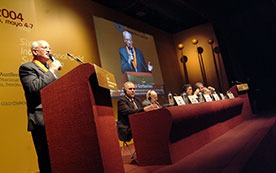


- During the closing speech, the president of the SNMPE, Julia Torreblanca, pointed out that it is urgent to build State policies that guarantee legal certainty, sustained investment, and the exploitation of the mining-energy potential, regardless of who governs.
Lima, May 28, 2026. Julia Torreblanca, president of the mining and energy association, made a call to build the future of the country jointly among all productive sectors, authorities and civil society, during her speech at the closing ceremony of the SIMPOSIO– XVI International Mining Meeting, an event organized by the National Society of Mining, Petroleum and Energy (SNMPE).
Torreblanca indicated that businesses of all sizes, including long-term industries such as mining and energy, cannot thrive amid chronic uncertainty. “We need legal stability and a national vision that doesn’t change every time we have a change in government”, she stated.
The union leader stated that, without the right conditions, well-being does not reach people, gaps are not closed, and poverty is not reduced.
In the political and economic sphere, the president of the union emphasized that these institutional variables are crucial leading up to the second round of elections. During this period, the country must unite to restore its growth capacity through confidence and investment.
“History has taught us that natural resources alone do not contribute to development. Strengthened institutions and predictable and appropriate rules are needed to attract the investments that the country requires”, she stated.
The business representative issued an urgent call to definitively halt the advance of illegal mining, an activity whose impact has extended beyond the environmental sphere to pose a direct threat to governance and the State’s presence in the territory. She urged a thorough analysis of the real consequences of informality to develop effective public policies.
At the close of her remarks, Torreblanca noted that the current window of opportunity in the international market is not permanent and that the country is actively competing for capital, technology, and skilled personnel. Therefore, she urged national stakeholders to work together to realize the value of pending projects. “The SIMPOSIO reminds us that the challenge is to transform these resources into infrastructure, formal employment, better conditions, and opportunities for more Peruvians”, she concluded.
Photos are available at the following link: https://flickr.com/photos/195630249@N08
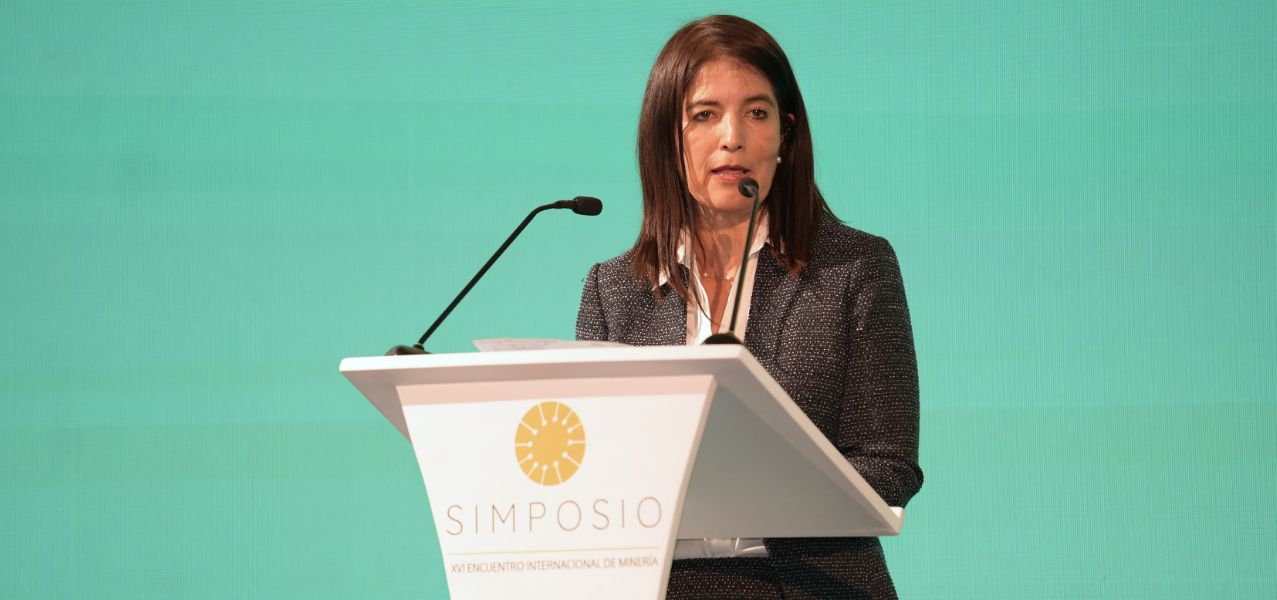
XVI SIMPOSIO: SNMPE Calls for Action with A National Vision That Transcends Changes in Authorities
During the closing speech, the president of the SNMPE, Julia Torreblanca, pointed out that it is urgent to build State policies that guarantee legal certainty, sustained investment, and the exploitation of the mining-energy potential, regardless of who governs.
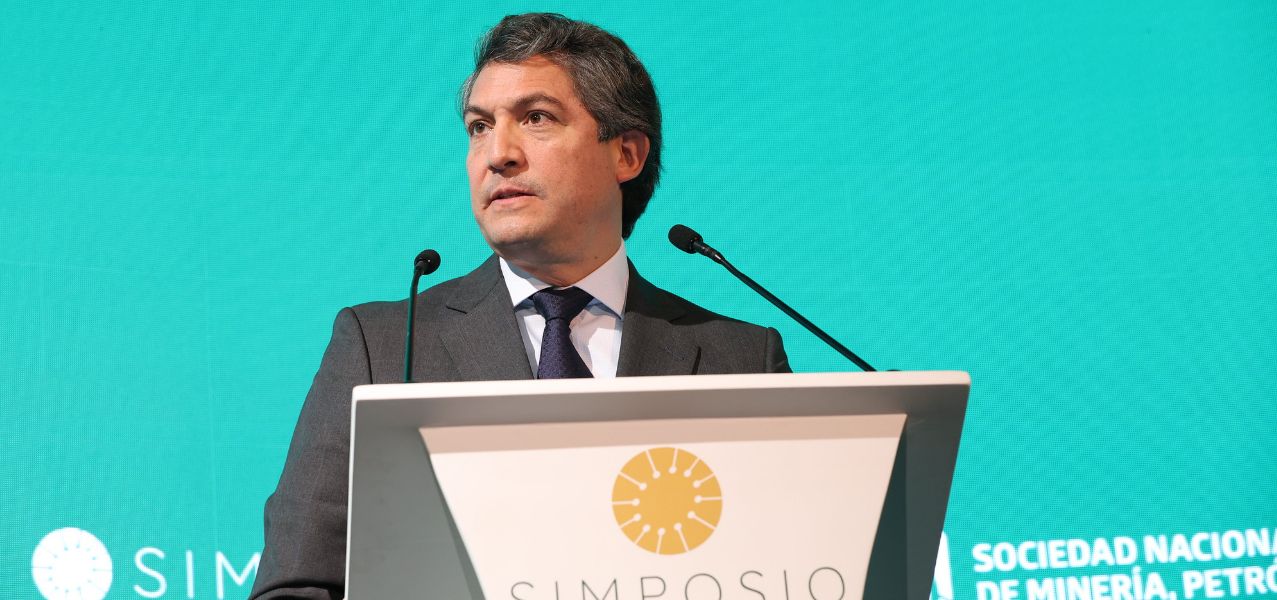
Diego Ortega at the XVI SIMPOSIO: “Peru Must Move from Talk to Action to Strengthen the Sustainability and Competitiveness of The Mining Sector”
Diego Ortega, president of the country's foremost mining conference, summarized three days of transformative discussions and cautioned that Peru's historic opportunity is not assured; it will depend on the country's prompt response to the evolving global landscape.
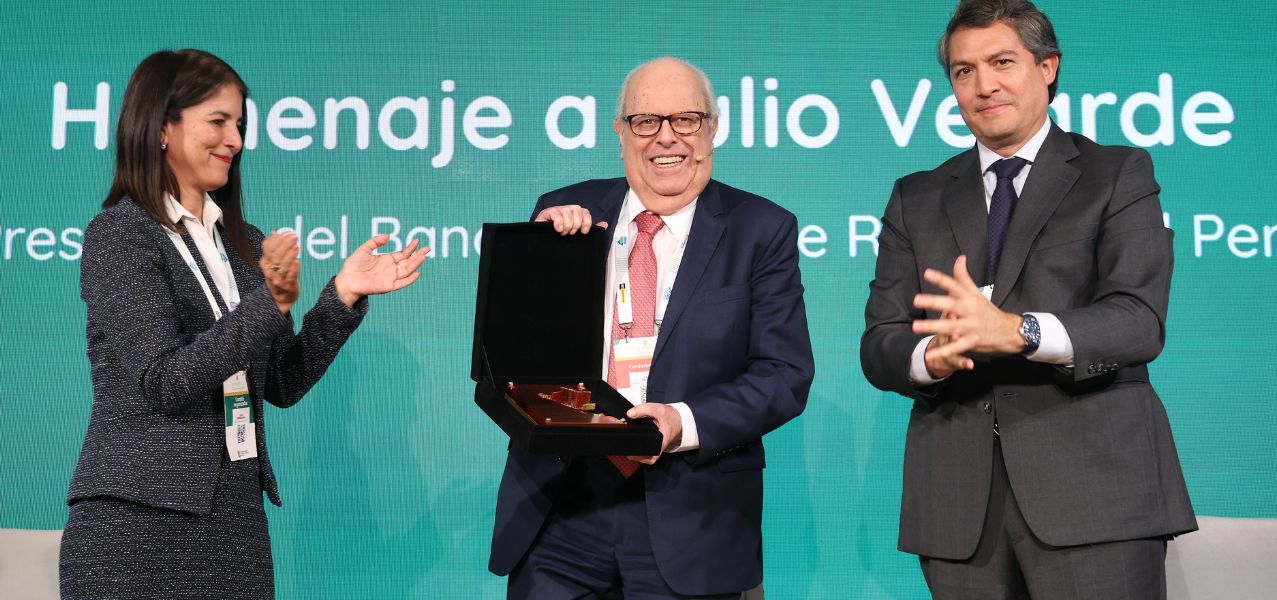
XVI SIMPOSIO: SNMPE Paid Tribute to Julio Velarde for His Contribution to The Macroeconomic Stability of Peru
The mining and energy sector highlighted the professional profile of the president of the Central Reserve Bank of Peru (BCRP), as well as the autonomy and technical expertise of this entity, which contributes to generating confidence in long-term investments.
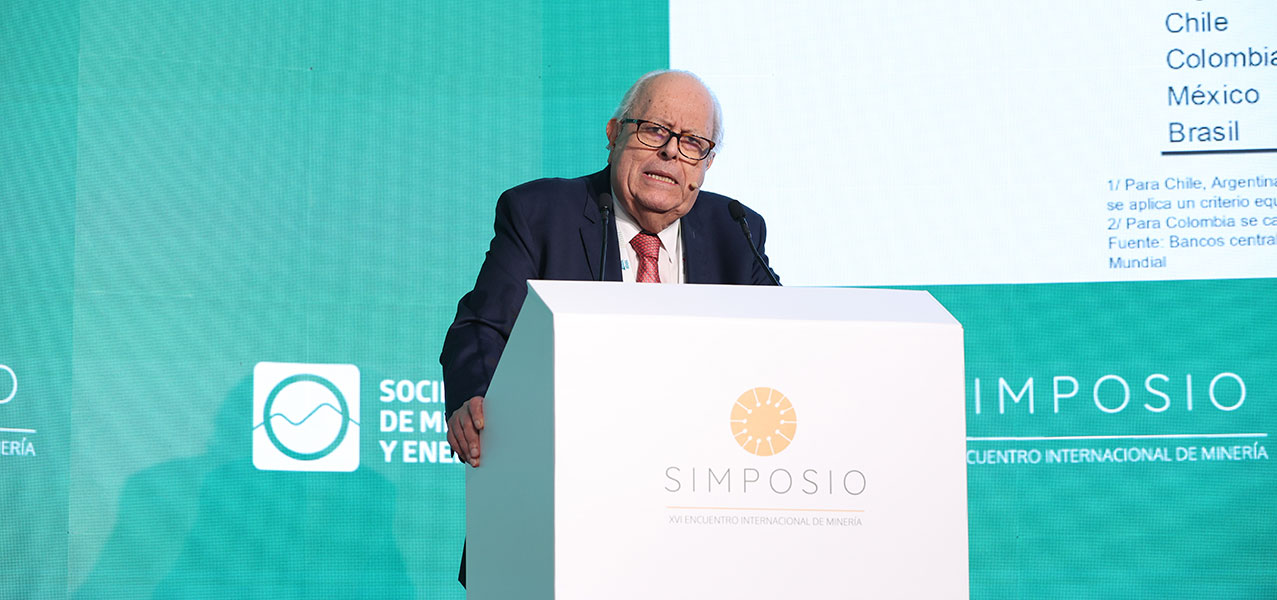
Julio Velarde at the XVI SIMPOSIO: “With the Mining Projects in Its Portfolio, Peru Could Double Its Copper Production and Surpass Chile”
The president of the Central Reserve Bank of Peru (BCRP) stated that the current cycle of high mineral prices represents a historic opportunity to accelerate private investment, unblock projects, and restore competitiveness. He affirmed that excessive red tape and political instability are hindering the sector's potential.
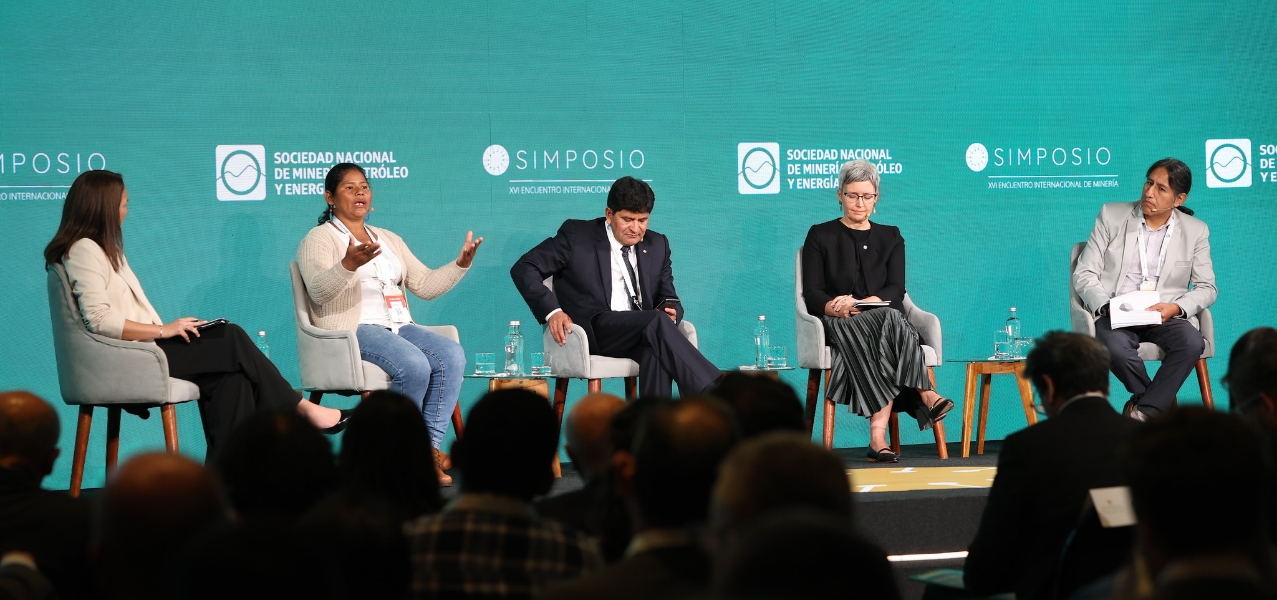
XVI SIMPOSIO: Illegal Mining Is Not Only an Environmental or Economic Problem; It Is a Phenomenon That Violates Human Rights
Illegal mining cannot be understood solely as an environmental or economic problem, but as a phenomenon of organized crime and citizen security that requires a comprehensive and systemic approach, as well as the coordinated participation of various actors from the public and private sectors.
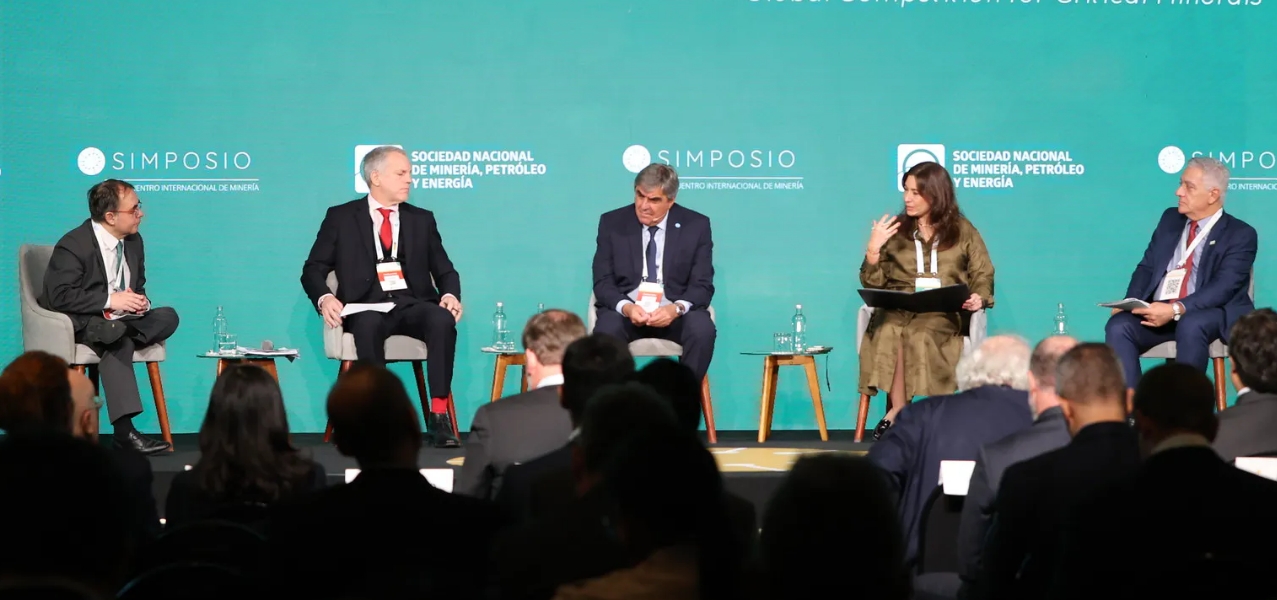
XVI SIMPOSIO: Regional Trade Associations Call for Prioritizing Legal Stability to Compete for Critical Metals Globally
During the debate that brought together representatives from Argentina, Brazil, Chile, and Peru, Angela Grossheim (SNMPE) cautioned that excessive regulation and administrative obstacles reduce competitiveness in the face of the urgent need to attract capital for the energy transition.
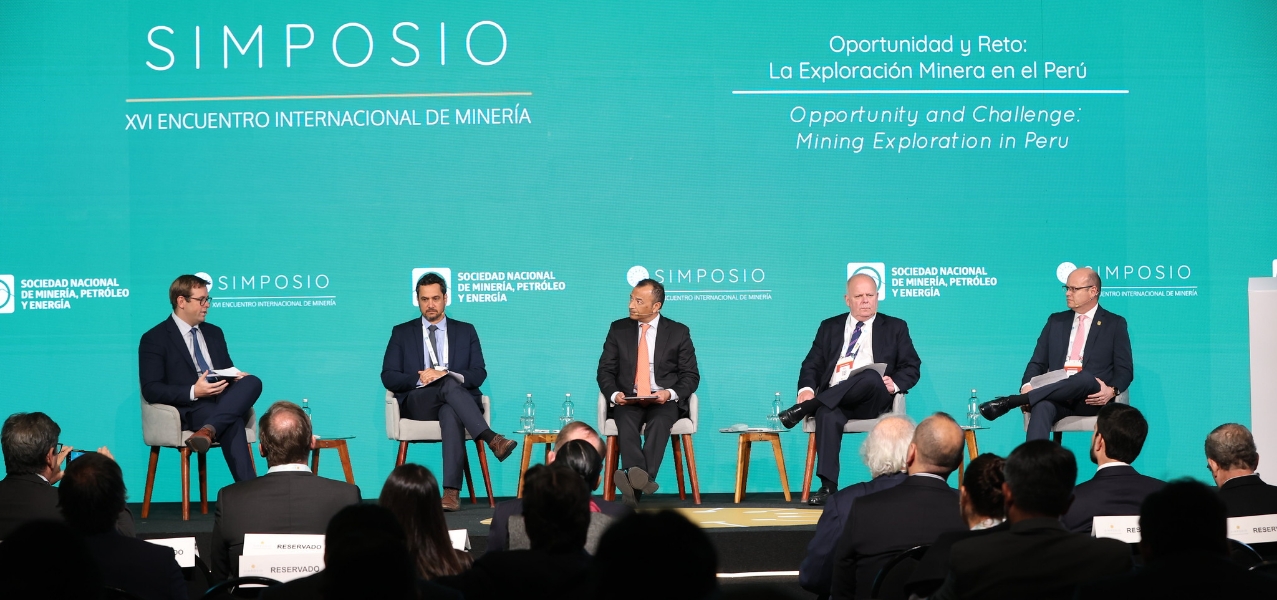
XVI SIMPOSIO: Proposals to Expedite Permits and Consolidate the Exchange of Technical Information to Boost Mining Exploration in Peru
At the panel “Opportunity and Challenge: Mining Exploration in Peru”, specialists agreed that the country must expedite permits and share geological information. to attract capital and investment.
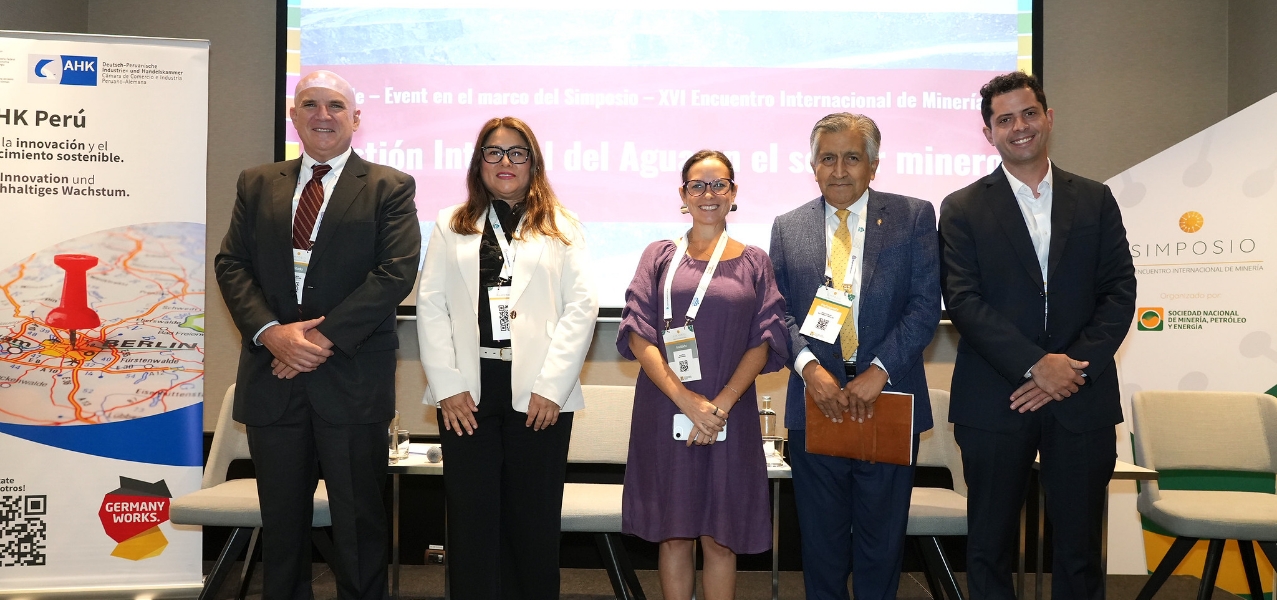
Integrated Water Management: Key to Modern and Sustainable Mining
Innovation, international cooperation, and knowledge transfer emerge as key factors for Peruvian mining to move towards efficient and responsible water management.
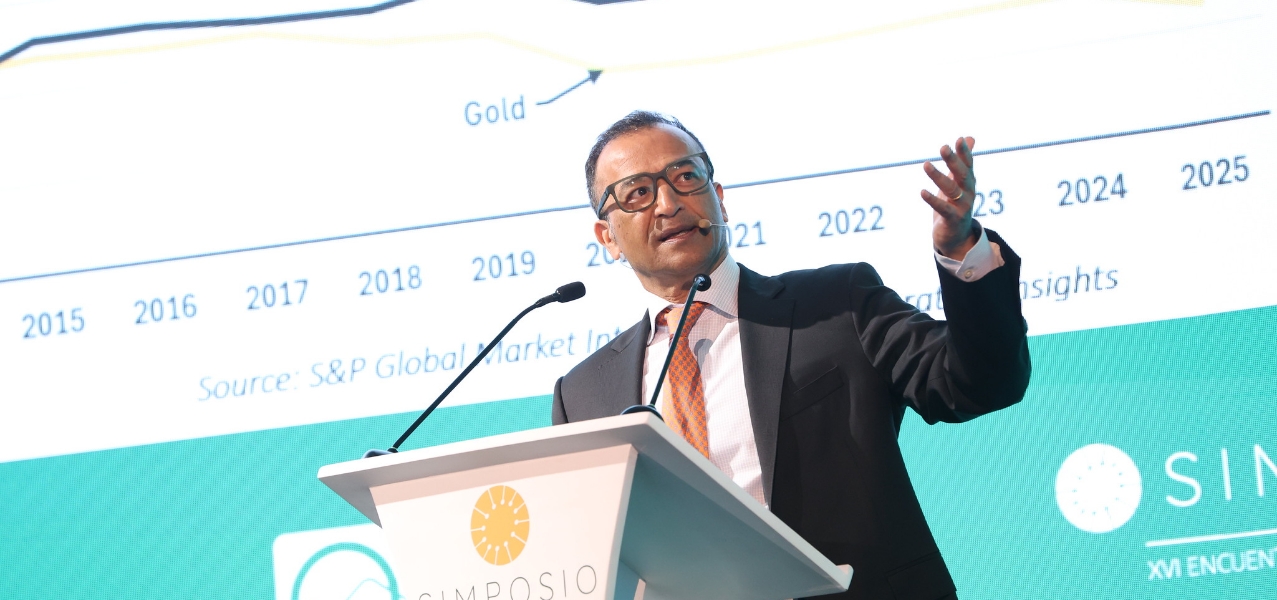
Joe Mazumdar at the XVI SIMPOSIO: Peru Maintains A “High Geological Potential” To Attract Long-Term Mining Investment
The editor and analyst of Exploration Insights highlighted that the country must make better use of its mining portfolio.
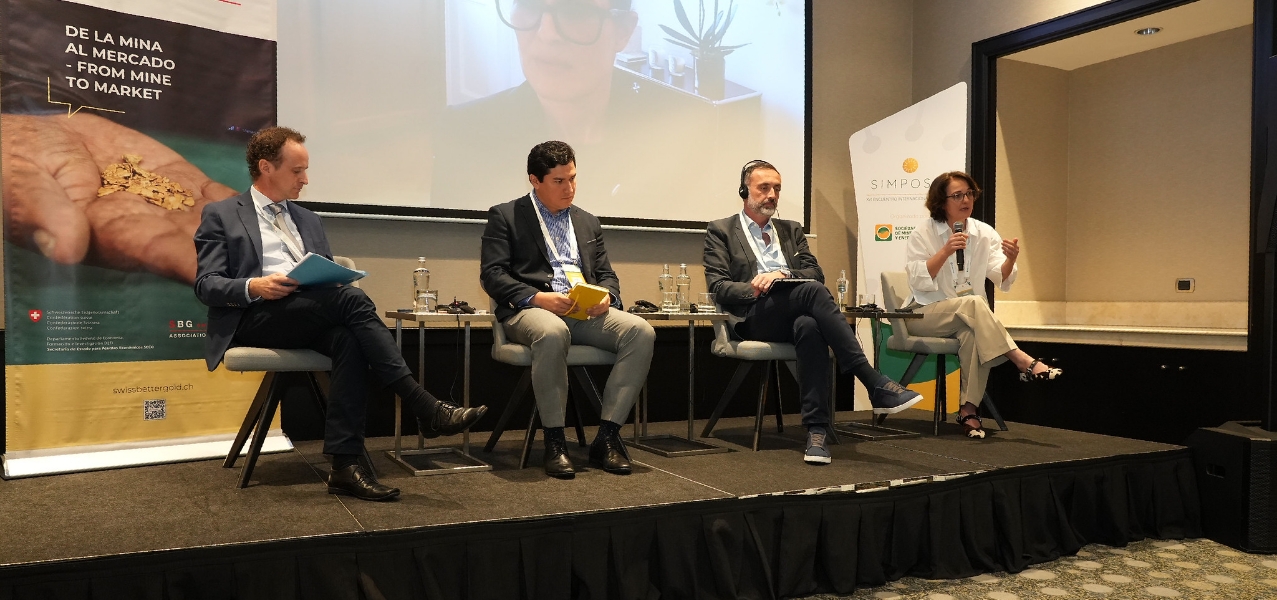
Gold Traceability and Processing Plant Supervision: Key Strategies for Strengthening Responsible Mining in Artisanal and Small-Scale Mining (ASM)
Within the framework of the XVI SIMPOSIO, the Embassy of Switzerland and Swiss Better Gold highlighted the importance of gold traceability to guarantee its formal origin and facilitate access to responsible international markets.