



- Experts from the electricity sector and the business world agreed that Peru has competitive energy and a robust system, but needs to accelerate transmission, strengthen resilience, and plan with a comprehensive vision to support mining and industrial growth.
Lima, May 27, 2026 – The Peruvian electricity system has significant strengths to support the growth of the mining and industrial sectors, but faces urgent challenges in transmission, sub-transmission, permitting, reliability, and energy planning. This was the assessment of specialists from the electricity sector and the business world at the SIMPOSIO – XVI International Mining Meeting, organized by the National Society of Mining, Petroleum and Energy (SNMPE).
During the roundtable “Power System Reliability and Resilience: Strategic Pillars for the Development of Mining and the Country”, chaired by Walter Sciutto, president of the SNMPE Electrical Sector Committee, and made up of César Butrón, chairman of the Board of Directors of the Economic Operation Committee of the National Interconnected System (COES); Eduardo Landin, CEO of Hochschild Mining – Peru; Juan Ricardo Ortega, president of the Grupo Energía Bogotá – Colombia; and Rosa María Flores-Aráoz, CEO of Kallpa – Peru, it was pointed out that reliability, resilience, efficiency and sustainability are fundamental pillars for the planning of the electrical system, especially in a context of greater demand associated with new mining projects, electric mobility, artificial intelligence, data centers and energy transition.
Sciutto argued that a timely, safe, and efficient supply will be crucial to supporting the country’s productive development.
Butrón emphasized that Peru possesses a robust electrical system, underpinned by natural gas and strategic technical planning, which has enabled the country to maintain competitive pricing. However, he cautioned that the primary challenge lies in accelerating transmission capabilities, stating, “It is of little use to have new generation projects if the infrastructure does not allow that energy to reach the centers of demand.” He noted that there is a potential of 23,000 megawatts in renewable projects currently in development, while the system’s peak demand is currently 8,000 megawatts, projected to reach 10,000 megawatts by 2030.
Furthermore, he highlighted that ensuring system security incurs costs, and the exceptionally low prices experienced in recent years may not be sustainable due to increasing demand and the necessity to incorporate complementary services.
Ortega agreed that transmission will be crucial for maintaining competitive energy and enabling new projects. He noted that the world is facing intense pressure for electrical infrastructure, equipment, and materials, driven by artificial intelligence and the energy transition. He cautioned that while solar projects can be developed in two or three years, a transmission line can take seven or eight years in Peru.
From the mining sector’s perspective, Landin maintained that energy is a relevant factor in project evaluation, although not the only one. He indicated that the reliability of the supply is critical for operational continuity, as a power outage can generate significant economic impacts.
In turn, Flores-Aráoz emphasized that Camisea has been fundamental to the country’s electricity competitiveness over the past two decades and maintained that natural gas will continue to be a key complement to support the variability of renewable energy sources. She also warned that the country must strengthen transmission, sub-transmission, gas supply security, and technical coordination among stakeholders to prevent contingencies from driving up costs for businesses and consumers.
Finally, the panelists agreed that Peru has a competitive electricity sector to support mining expansion, but it needs timely decisions to prevent infrastructure from becoming a constraint on growth. The priority agenda includes accelerating transmission, streamlining and expediting permits, strengthening comprehensive energy planning, preserving system reliability, and ensuring conditions that attract investment, generate employment, and sustain the country’s competitiveness.
Photos are available at the following link: https://flickr.com/photos/195630249@N08
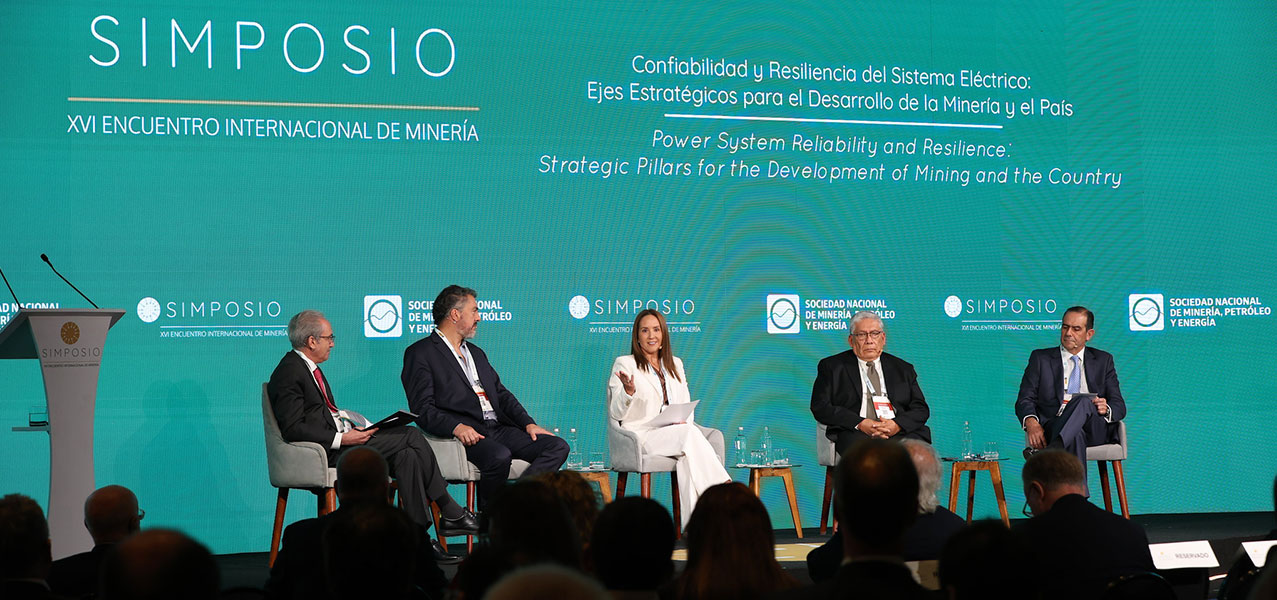
XVI SIMPOSIO: The Peruvian Electrical System Must Accelerate Transmission and Strengthen Resilience to Support New Mining Investments
Experts from the electricity sector and the business world agreed that Peru has competitive energy and a robust system, but needs to accelerate transmission, strengthen resilience, and plan with a comprehensive vision to support mining and industrial growth.
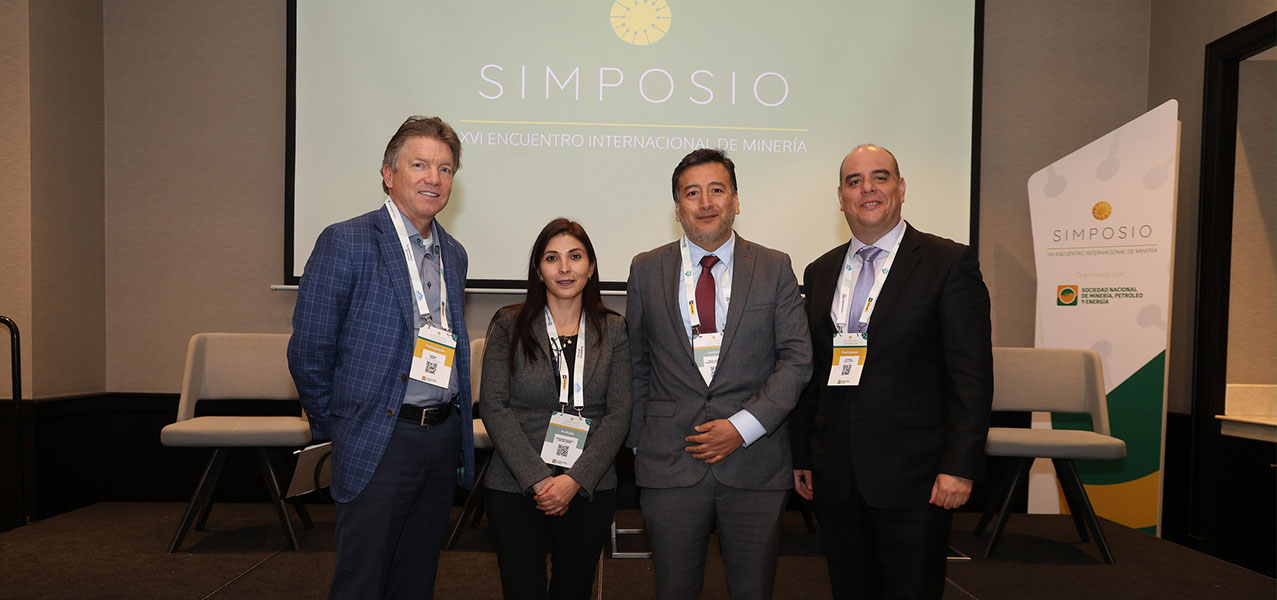
XVI SIMPOSIO: A National Policy Is Needed to Promote the Exploration of Critical Minerals in the Country
Peru needs to define which minerals are strategic for the country, improve the available information, and strengthen the institutional framework to take advantage of its potential in this field.
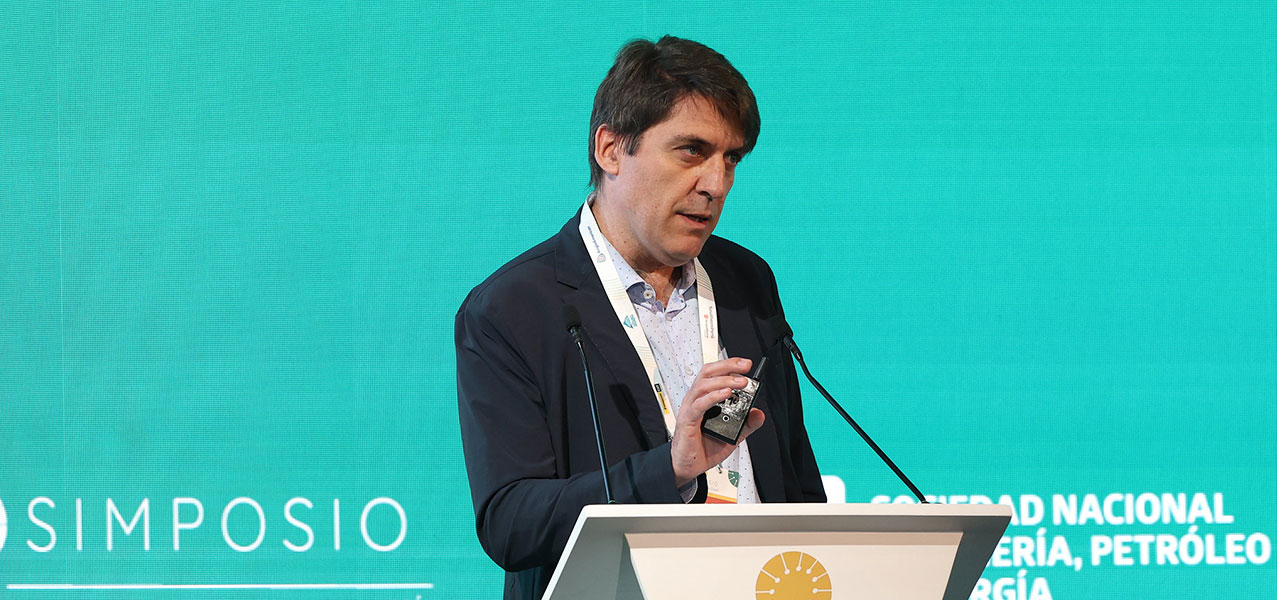
Carlos Batlle at the XVI SIMPOSIO: It Is Important to Strengthen the Institutional Framework to Guarantee the Development of the Electricity Sector
The Spanish expert pointed out that the future of the national industry depends on a modernization that integrates infrastructure, efficient transmission, and stable regulatory frameworks, taking advantage of lessons learned from other markets.
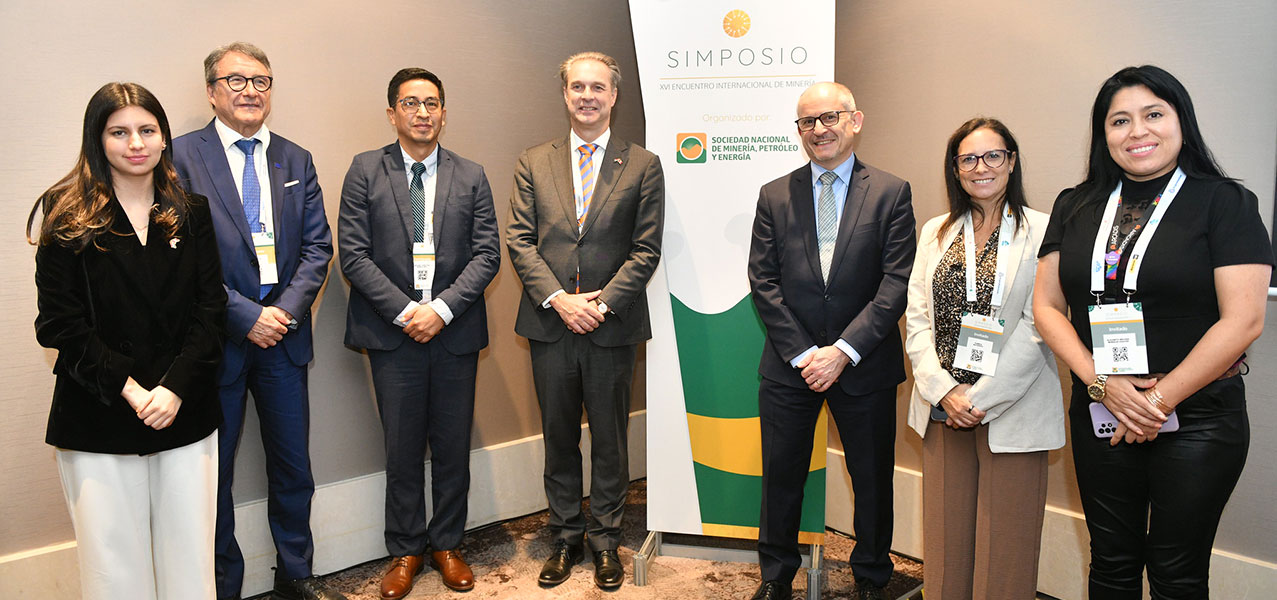
The European Union and Latin America Are Committed to Sustainable and Innovative Mining to Strengthen the Copper and Lithium Value Chains
Experts and authorities highlight the strategic value of Latin America and Peru in ensuring the responsible supply of critical minerals and generating innovative and sustainable value chains.
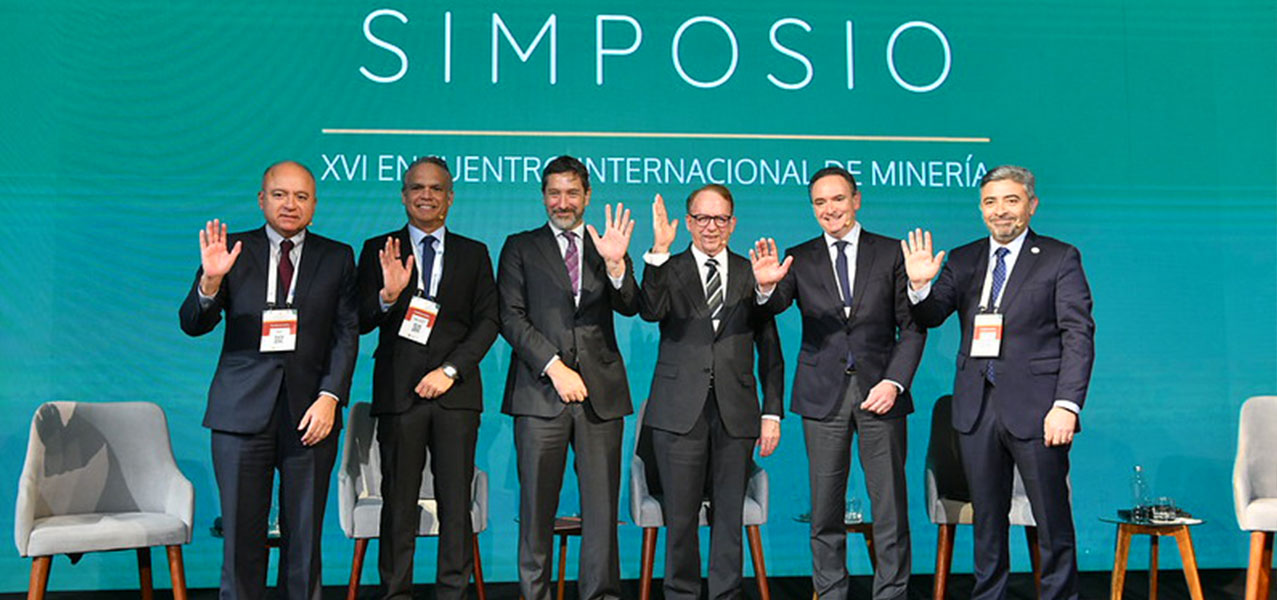
XVI SIMPOSIO: Mining Leaders Propose Synergies and Shared Infrastructure to Accelerate Investments in Peru
At the panel "Peruvian Mining: Strategies to Boost Production and Investment," executives from Southern Peru, Minsur, Buenaventura, and Glencore agreed on the need for state leadership, predictability, legal stability, and public-private collaboration to develop new projects.
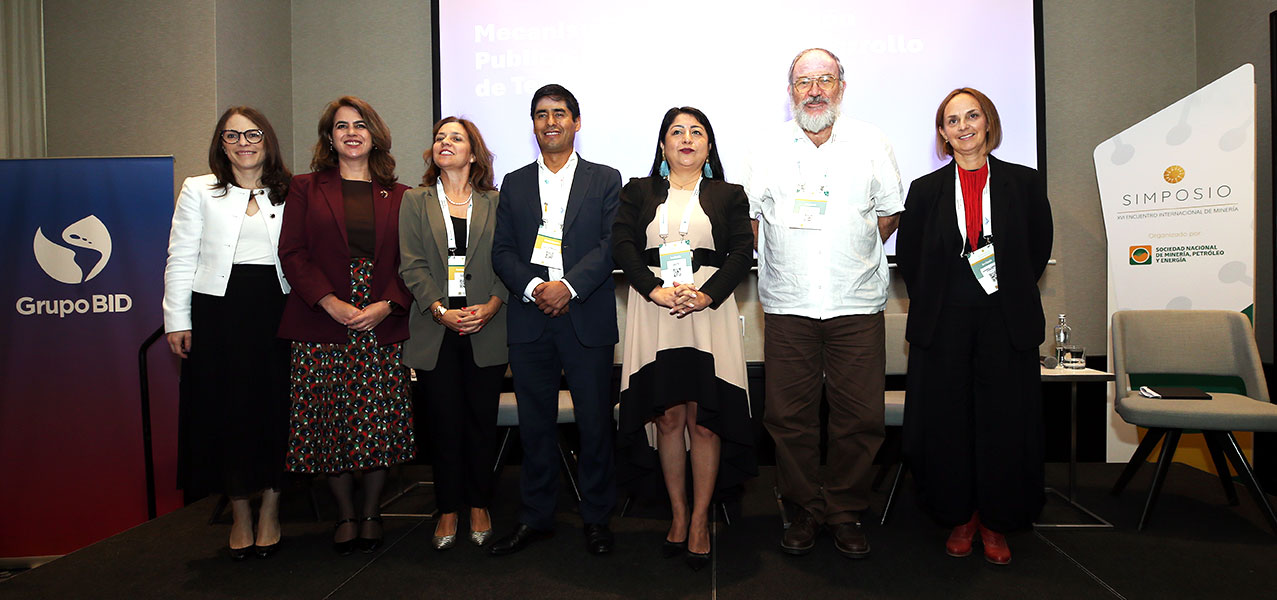
Public-Private Partnerships: Key to The Sustainable Development of Mining Territories in Peru
Experts from the public and private sectors agree on the need to strengthen coordination and efficiency to ensure that mining drives territorial development.
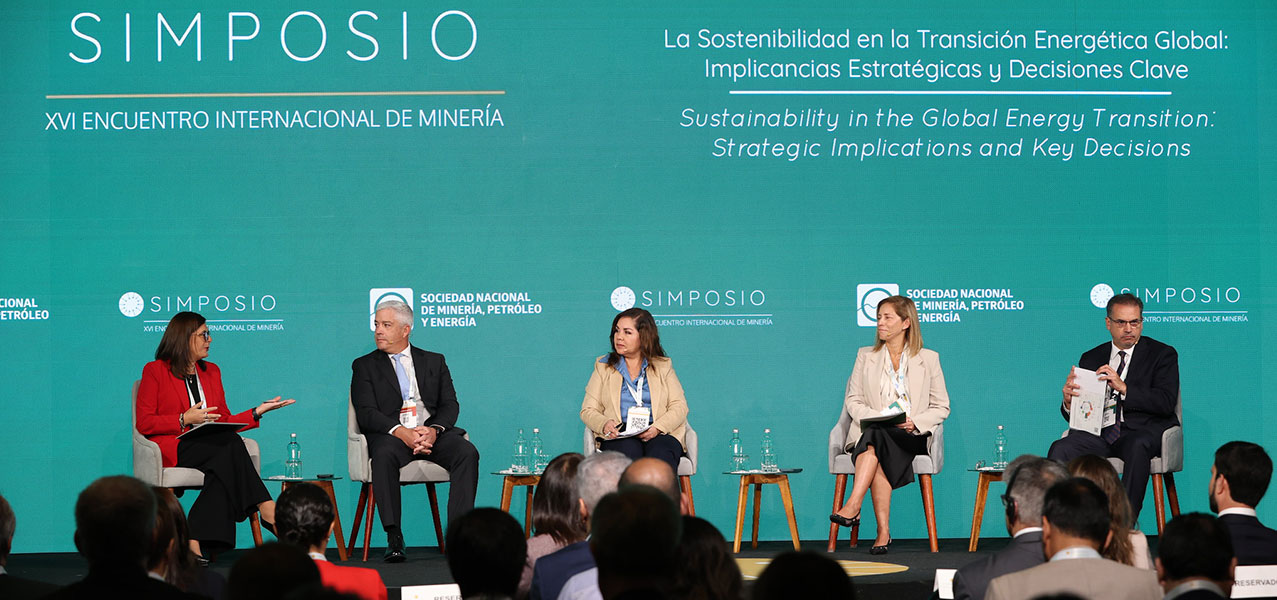
XVI SIMPOSIO: Mining Sector Evaluates Actions to Accelerate Sustainable Investments
A panel moderated by María Julia Aybar analyzed the challenges of traceability in the face of illegal mining. Business leaders discussed the keys to streamlining project viability without compromising environmental standards.
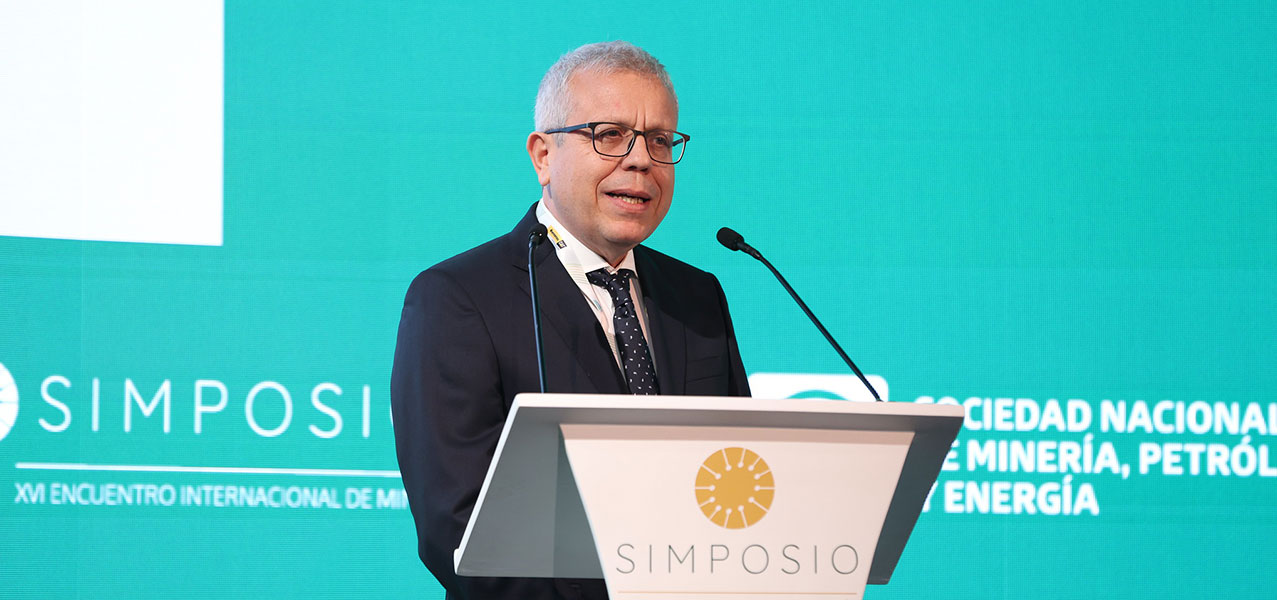
XVI SIMPOSIO: Joaquín Proenza States That “Without Mining There Is No Energy or Digital Transition”
A professor at the University of Barcelona argued that sustainability must be a critical strategy for all mining operations, in a context of growing global demand for minerals critical to the energy transition by 2050.
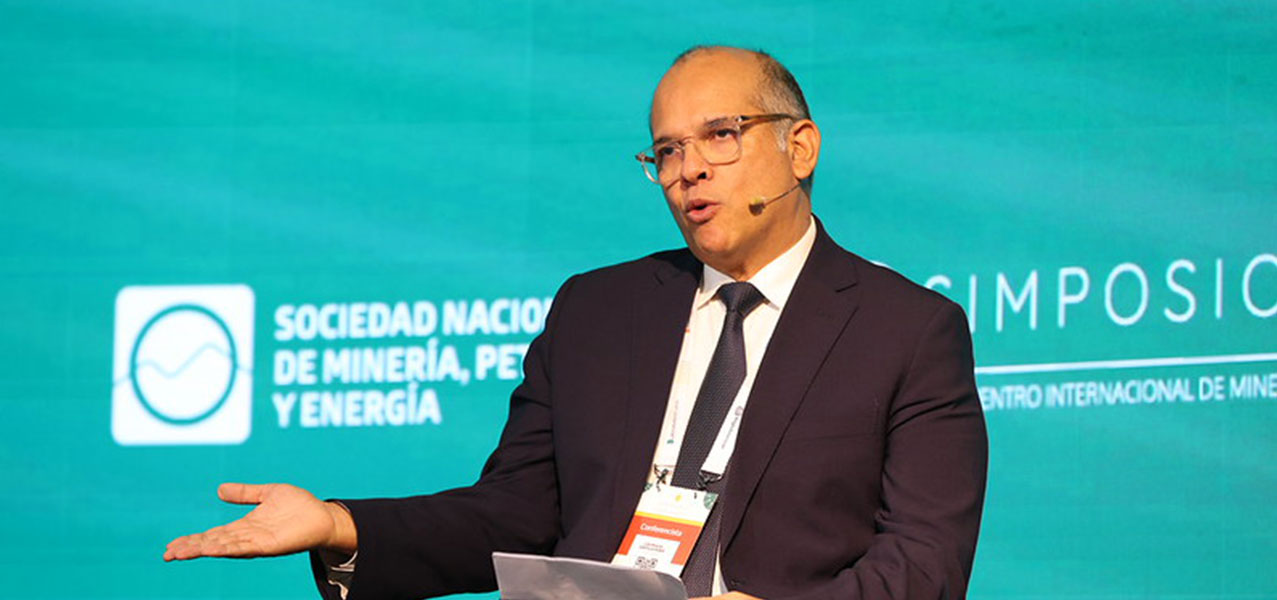
XVI SIMPOSIO: Peru Will Only Be Able to Take Advantage of the US$64 Billion Portfolio of Mining Projects If Urgent Reforms Are Implemented
During the roundtable discussion titled “Public Policy Proposals for the Mining Sector 2026–2031,” representatives from the private sector and international organizations agreed that Peru needs to remove obstacles to mining projects.
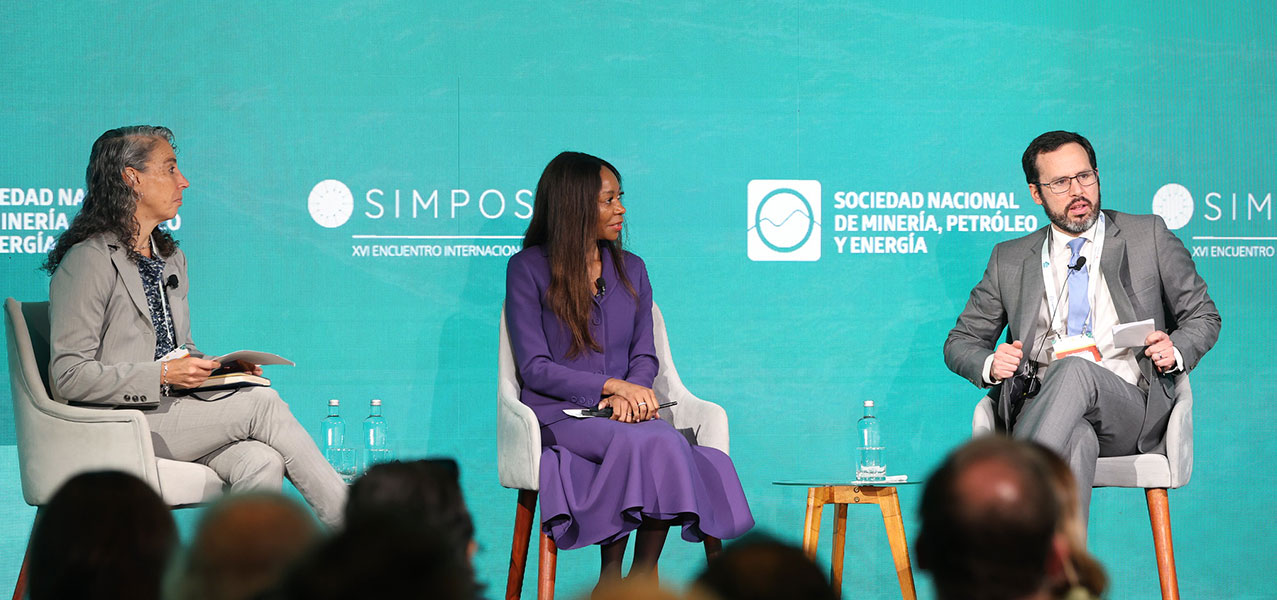
XVI SIMPOSIO: Peru Needs a Long-Term Strategy to Turn the Mining Boom into Sustainable Development
During the SIMPOSIO – XVI International Mining Meeting, global economist Dambisa Moyo argued that Peru must strengthen its domestic market, build a narrative of inclusive growth