
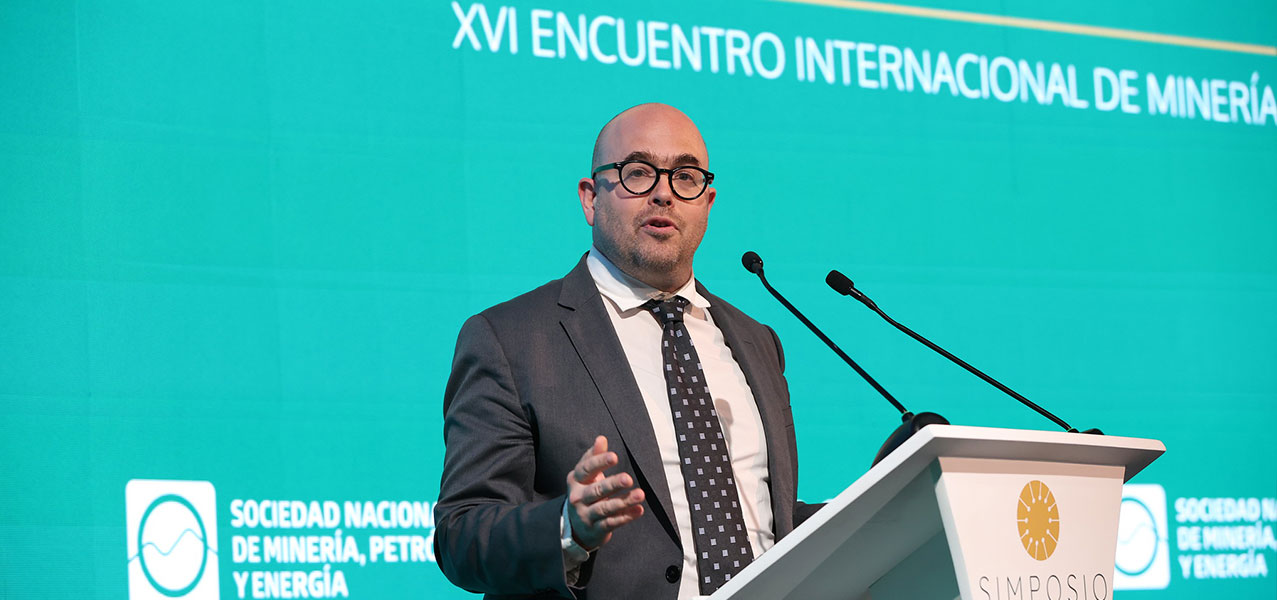
- Iván López, VP Value Engineering at BHP, pointed out that the technological transformation of the mining sector requires combining artificial intelligence, digital twins, machine learning, reinforcement learning, and systems thinking to test scenarios, optimize investments, and improve capital productivity.
Lima, May 28, 2026. Artificial intelligence must be democratized within organizations so that teams can make better decisions, test scenarios, and increase capital productivity in highly complex industries such as mining. This was the message from Iván López, VP of Value Engineering at BHP, during his presentation “Unlocking Capital Efficiency: A Systems Thinking Approach to Artificial Intelligence and Digital Twin Deployment.”
“Writing code or handling advanced models requires specialized knowledge and expertise; therefore, companies must build systems that allow more professionals to interact with technology through natural language,” he said at the SIMPOSIO– XVI International Mining Meeting, organized by the National Society of Mining, Petroleum and Energy (SNMPE).
López commented that at BHP, they have developed systems that allow professionals without programming skills to use natural language to propose scenarios, analyze data, evaluate trade-offs, and generate executive summaries.
He explained that they have been applying artificial intelligence, digital twins, systems dynamics, and systems thinking not only to understand operations but also to anticipate scenarios, test design alternatives, improve investment decisions, and reduce cost overruns related to project complexity.
The executive explained that one of the main challenges in the mining industry is that projects typically start with a basic design. As they mature, they often incorporate additional redundancies, capacity margins, contingencies, and scope changes. These decisions can increase complexity, extend timelines, and raise capital intensity.
“We use concepts from digital twins, systems dynamics, and artificial intelligence,” said López. He explained that these tools enable them to analyze design options, operating assumptions, equipment reliability, operating rules, bottlenecks, and alternatives to defer or avoid unnecessary investments.
Multidisciplinary teams
López also highlighted that digital transformation in mining requires multidisciplinary teams, not just traditional industry specialists. He noted that BHP works with professionals from diverse industries and disciplines, such as astronomy, cybersecurity, logistics, and data science, to translate complex physical problems into mathematical models and apply the most appropriate knowledge to each challenge.
In that context, he indicated that his team consists of approximately 90 people from 29 nationalities, distributed across Australia, Chile, and Canada, and that 47% are women. For López, this diversity enables the incorporation of capabilities that other industries have already developed to tackle mathematical problems that are even more complex than those encountered in mining.
Finally, López emphasized that the mining industry has a concrete opportunity to use artificial intelligence not only as a technological tool, but as a new way of making business decisions, improving capital efficiency, and accelerating value creation in strategic projects.
Photos are available at the following link: https://flickr.com/photos/195630249@N08
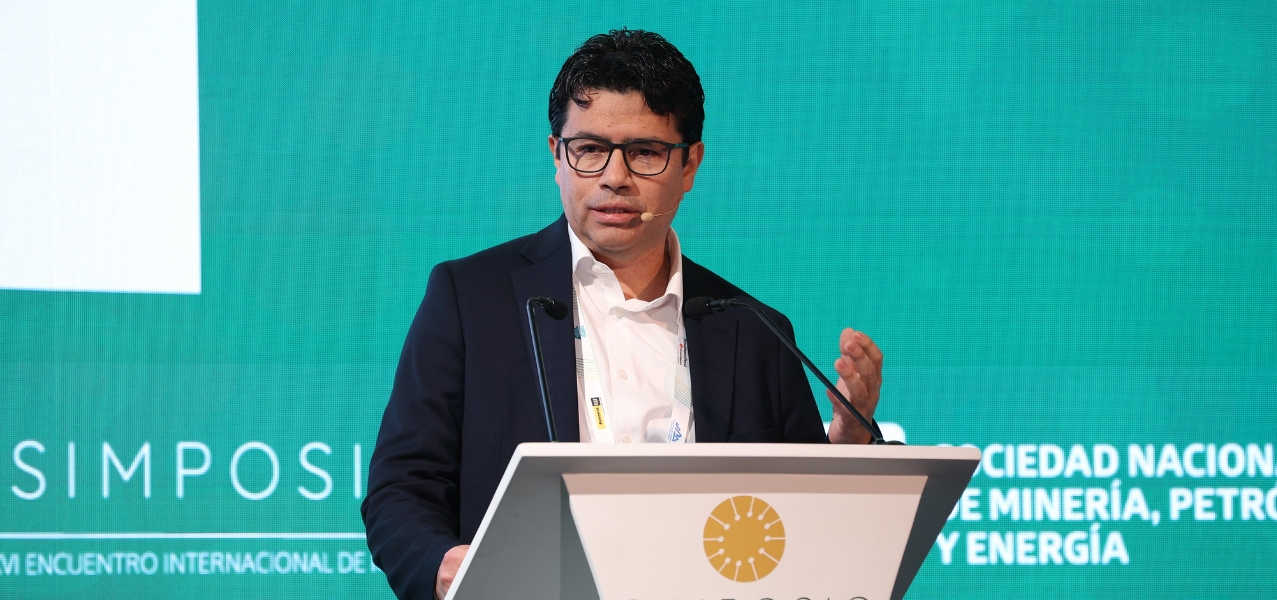
XVI SIMPOSIO: BHP Proposes Democratizing Artificial Intelligence to Increase Productivity and Capital Efficiency in Mining
Iván López, VP Value Engineering at BHP, pointed out that the technological transformation of the mining sector requires combining artificial intelligence, digital twins, machine learning, reinforcement learning, and systems thinking to test scenarios, optimize investments, and improve capital productivity.
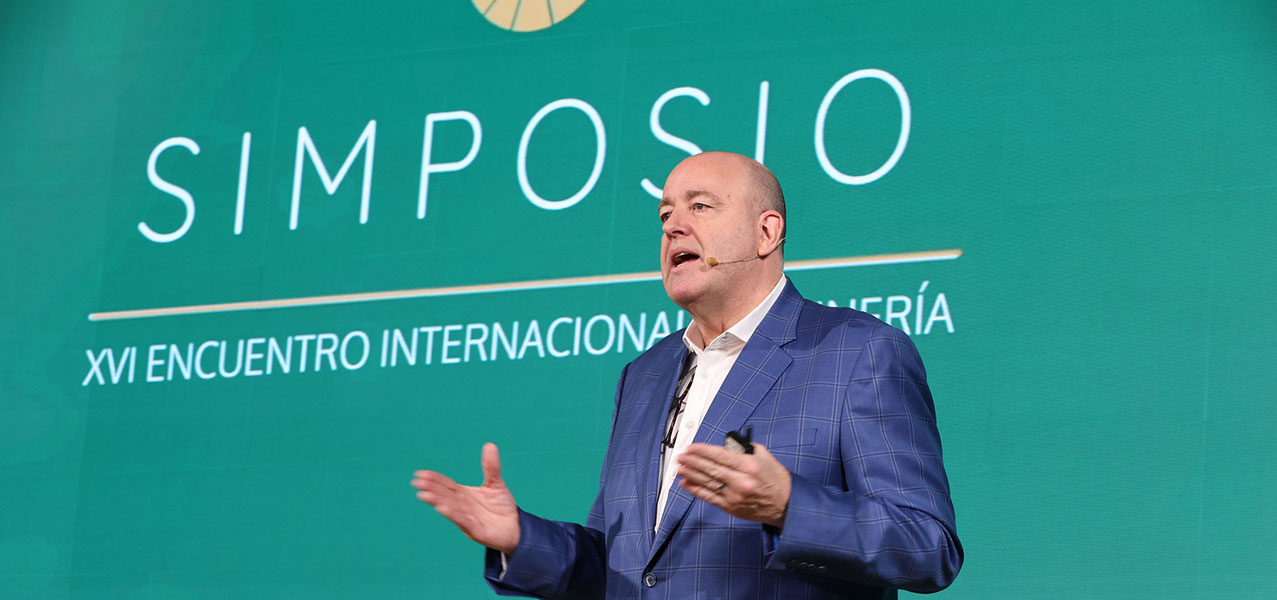
XVI SIMPOSIO: Latin America Has the Opportunity to Become a Key Supplier of Minerals Critical for the Energy Transition, according to Paul Mitchell
Paul Mitchell, Global Mining & Metals Leader at EY Global, argued that the region must act in an integrated manner, attract capital, share infrastructure, and build value chains to take advantage of its potential in copper, lithium, nickel, and other strategic minerals.
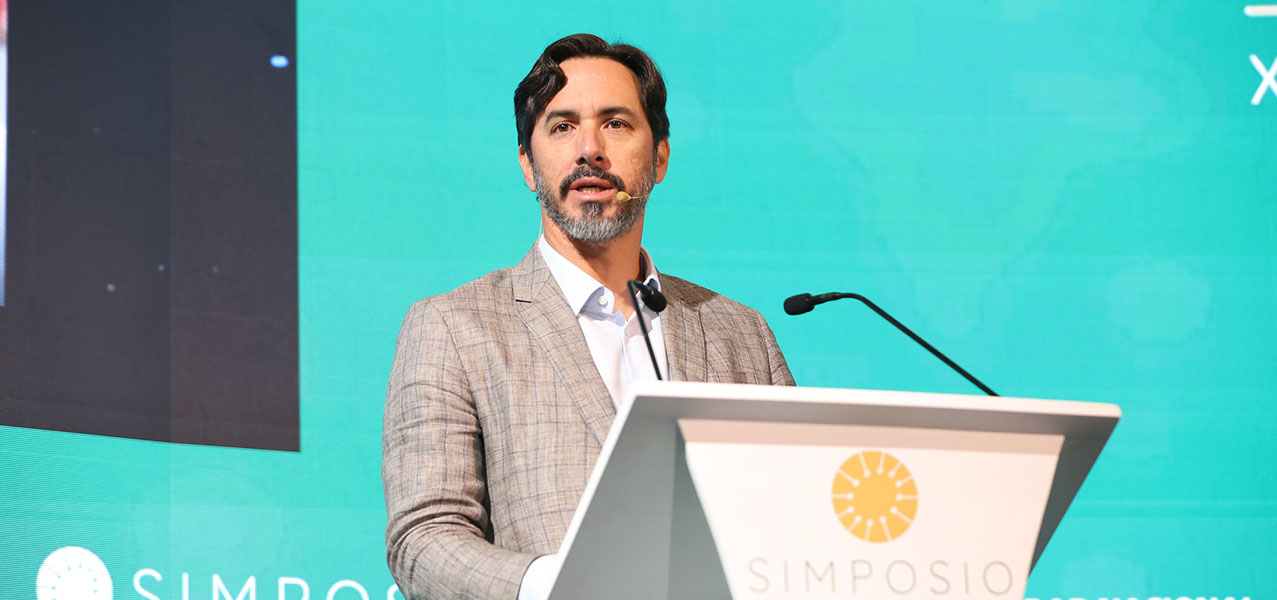
Google at the XVI SIMPOSIO: Artificial Intelligence Is the Global Operating System That Is Redefining Industrial Productivity
During the mining meeting, Diego Montoya, Google Cloud's Country Manager for Peru and Ecuador, highlighted the advances in AI in the industrial sector, as well as the deployment of autonomous assistants in field operations, among other changes.
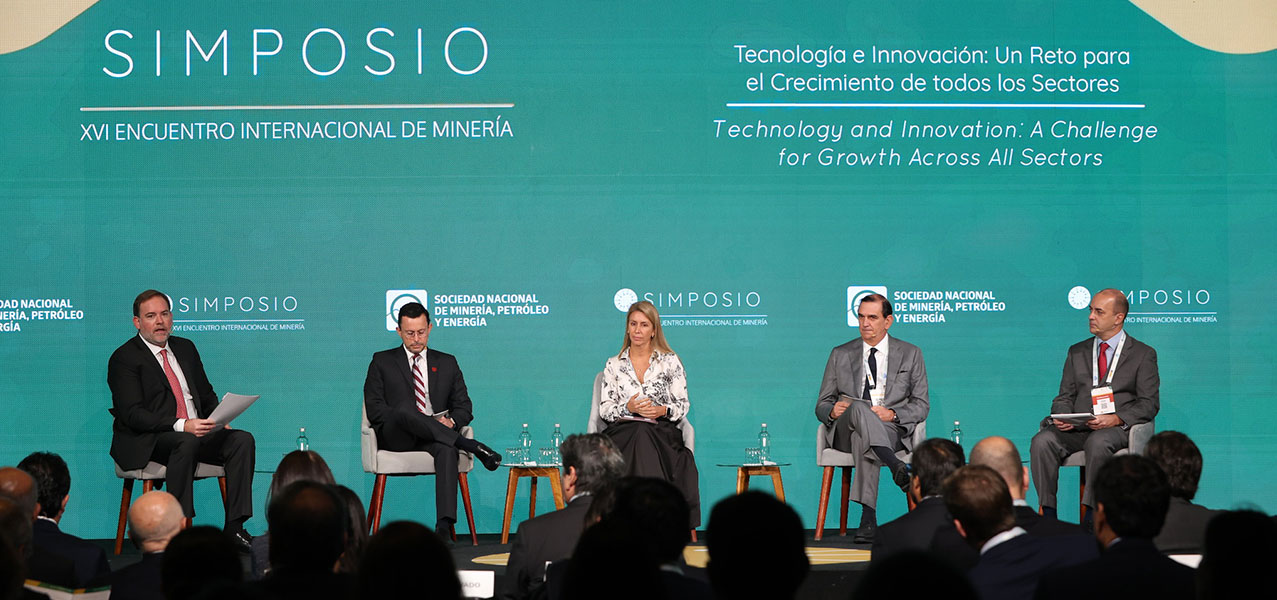
XVI SIMPOSIO: Business Leaders Emphasize That Technology and Innovation Will Be Key to Raising the Competitiveness of Productive Sectors
Representatives from key sectors such as mining, construction, agribusiness, commercial aviation, and suppliers agreed that technological transformation allows for improvements in productivity, safety, sustainability, and operational efficiency.
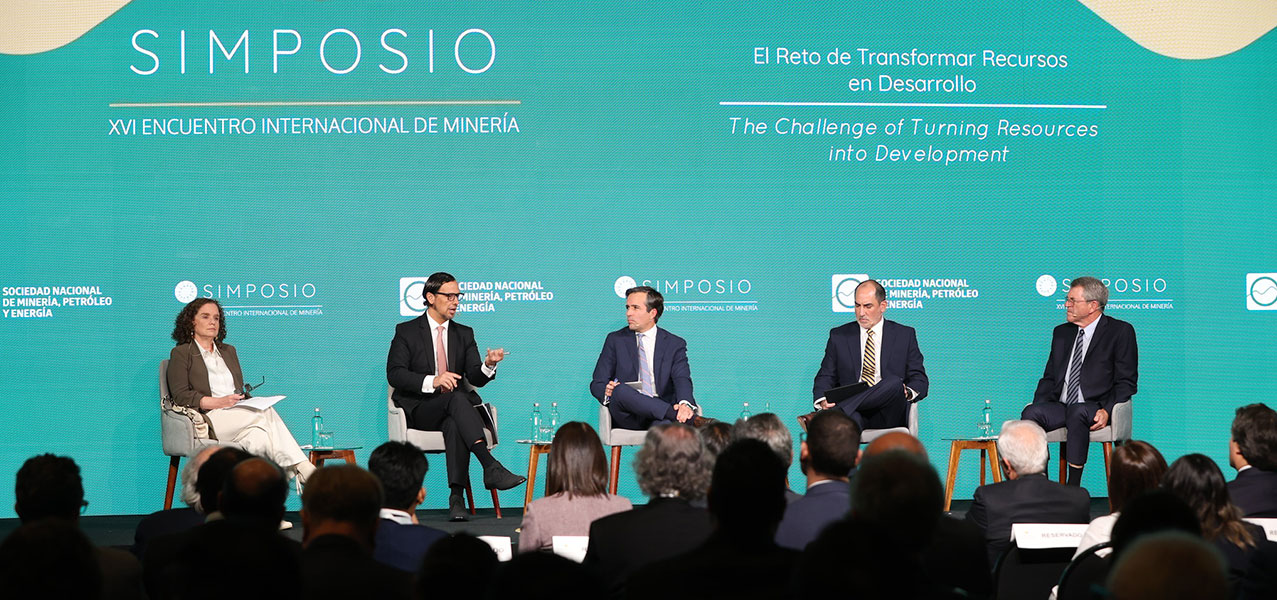
XVI SIMPOSIO: Mining Companies Propose Strengthening Local Suppliers and Territorial Capacities to Transform Resources into Development
The roundtable “The challenge of transforming resources into development” emphasized that the main challenge for mining is to convert economic growth into tangible benefits for communities, through greater local business development, employment, training, and better public management.
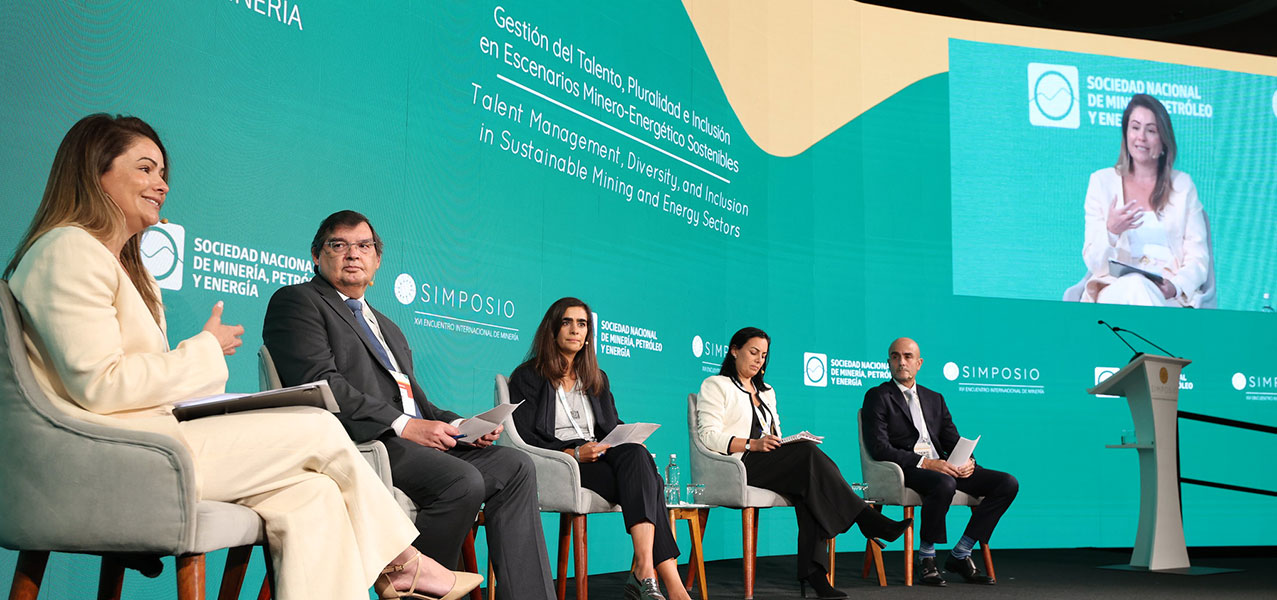
XVI SIMPOSIO: The Successful Transformation of The Mining Sector Requires Combining Technology and Long-Term Talent Management
Companies are promoting comprehensive value propositions to attract and retain talent.
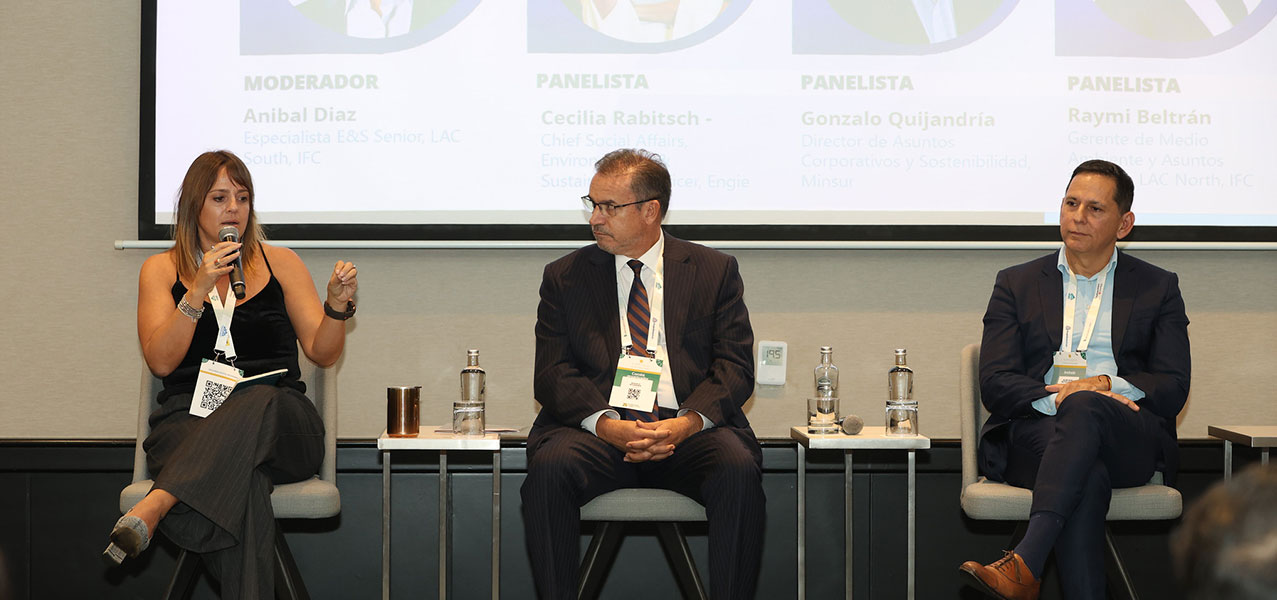
XVI SIMPOSIO: IFC Highlights the Role of ESG Standards in Enabling World-Class Projects
The International Finance Corporation brought together specialists to discuss standards as a tool to reduce risks, strengthen confidence, facilitate access to capital, and improve the long-term viability of projects.
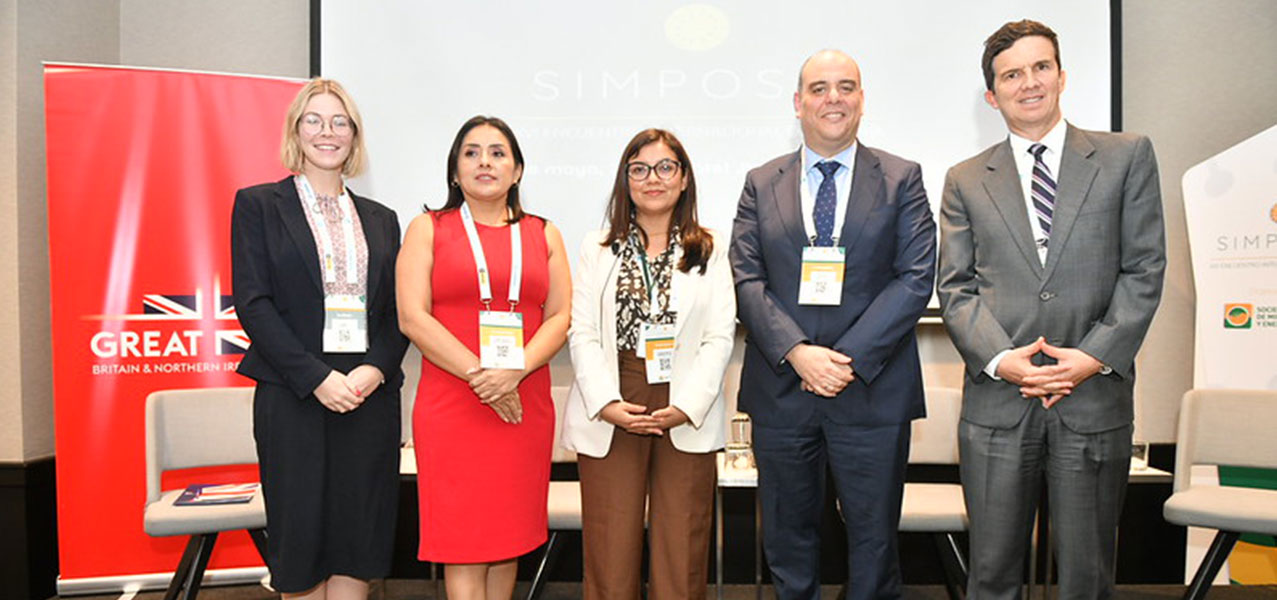
British Embassy Presents Study to Promote Territorial Development Corridor in Northern Peru
The initiative, developed in collaboration with the British Geological Survey, provides technical evidence to enhance territorial planning in Cajamarca and Lambayeque, identifying development opportunities beyond the mining sector.
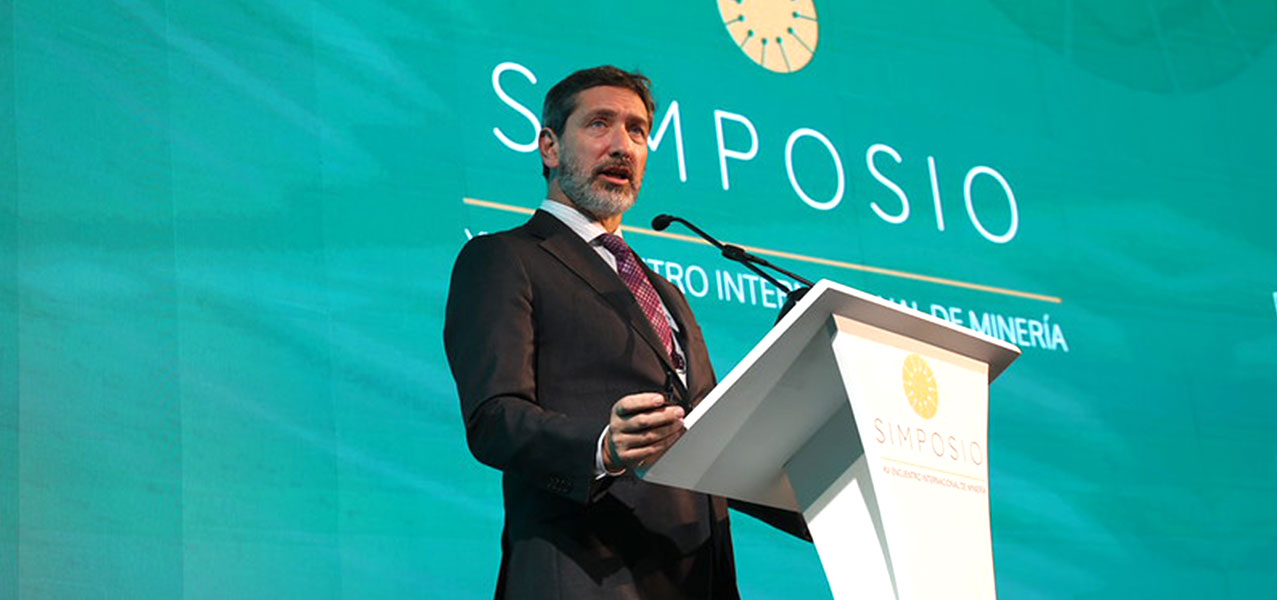
XVI SIMPOSIO: Erik Heimlich Stated That Peru Possesses a Significant Opportunity to Develop Copper Projects
The Head of Copper and Zinc Markets at CRU Group emphasized that global demand for copper is expected to continue to rise, fueled by electrification, electric vehicles, and energy transition.
McKinsey: “The Future of Talent in Mining Will Be a Collaboration Between People, Artificial Intelligence, and Autonomous Systems”
Thibaut Larrat, a partner at McKinsey & Company, commented that the talent shortage has become one of the main risks to global mining competitiveness. He noted that artificial intelligence and automation will be key to closing the skills gap and sustaining industry growth.